Japan · Tokyo

Tokyo

Tokyo was incredible, and I sit back with the feeling that I only saw a fraction of what this amazing city has to offer.

The best bits of the holiday was

  • The day in Asakusa, seeing the Sensoji temple and trying a hot bath
  • Shibuya. Spending time in Yoyogi park, seeing the Meiji shrine, dinner and view at Tokyo Metropolitan Government Building. The Shibuya crossing and the Hachiko statue was also fun to see. (we did see the Hachiko movie in Japan).
  • TeamLab Boarderless was truely amazing
  • Mori Art Museum – outstanding art.
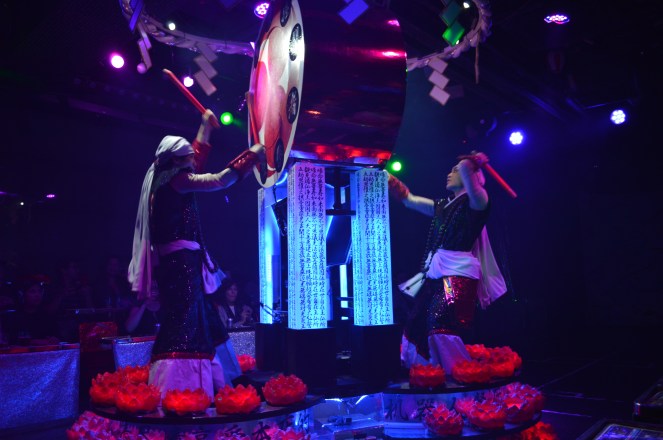
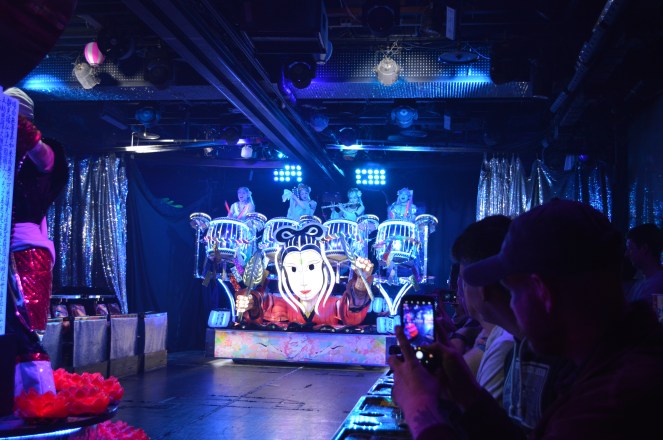
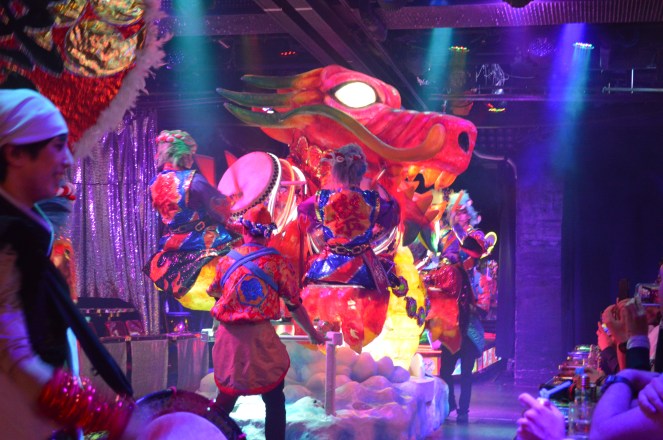
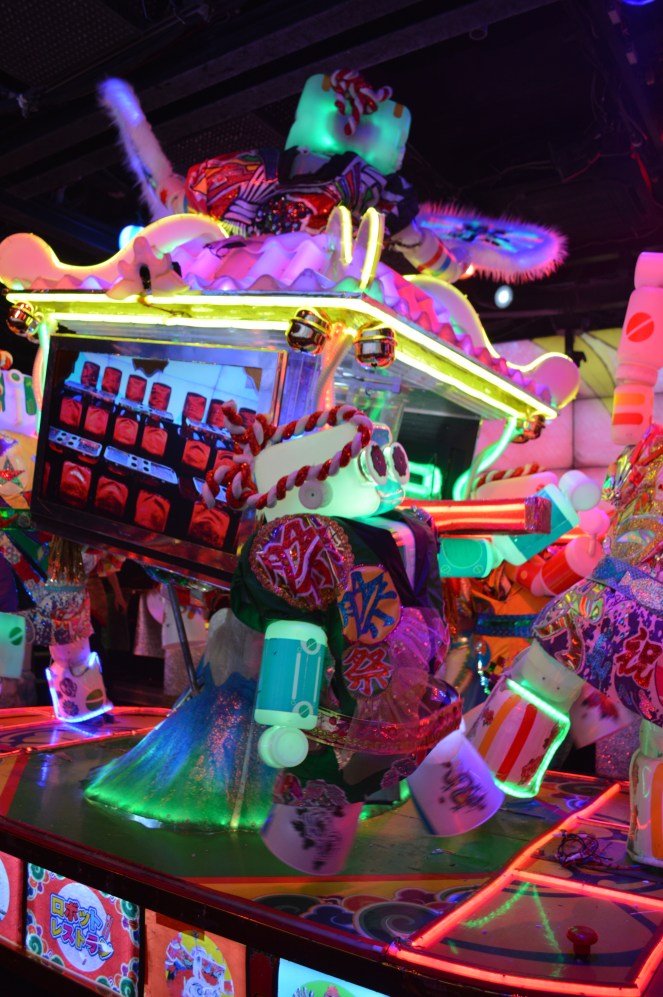
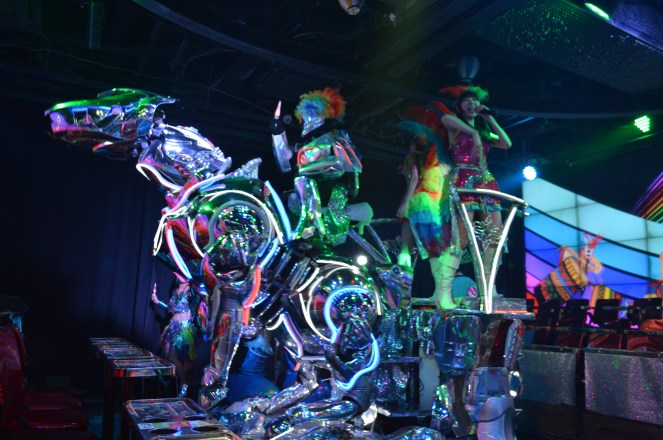
  • Robot restaurant. No need to eat, but seeing the show was truly a crazy experience

The good bits:

  • Seeing the owls of Ikebukuro was great, although unsure if I would recommend it. We also saw a shrine there. It had the second largest ginko tree of Japan, but wasnt so interesting otherwise.
  • The sky tree. Amazing view, but far too touristy. And I think the view from the Tokyo Metropolitan Government Building was already pretty good.
  • Ginza. Its fun to see the highend stuff. It just didnt seem so unique for Tokyo. I might be wrong. Perhaps we didnt spend enough time there.
  • Edo and Hibiya park. Ok, nothing too impressive.
  • Harajuko. I quite liked this area, but I wasnt quite so impressed as I had expected to be.
  • Cooking japanese recipes at home.

Nearby bits:

  • Kamakura. I highly recommend seeing the shrines and walking around. We had such an amazing day, and some of these shrines were so unique.
  • Tsukuba Space Centre. I have been to the one in the US, but I think this one is far better. Lots of fun, even for kids.
Japan · Tsukuba

Tsukuba – science and owl city

Tsukuba is very much a science city, with Tsukuba Science City being a center for research and education. What sets Tsukuba apart from other town developments in Japan is the large scale and fast pace of its development into a place with high quality of scientific innovation.

Tsukuba is also the home of the JAXA Tsukuba space center, which we enjoyed a lot.

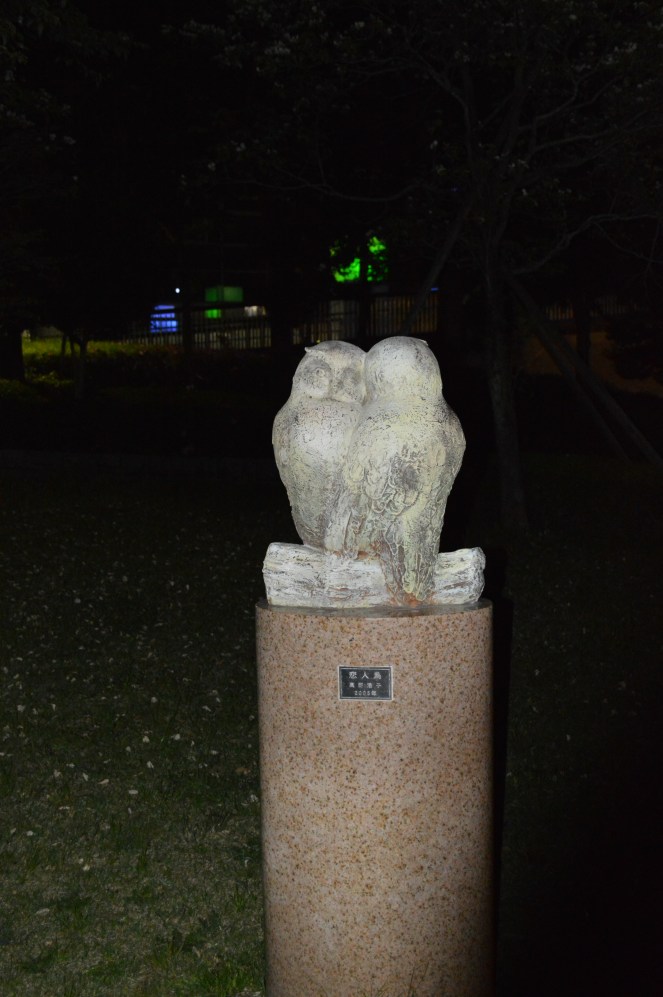
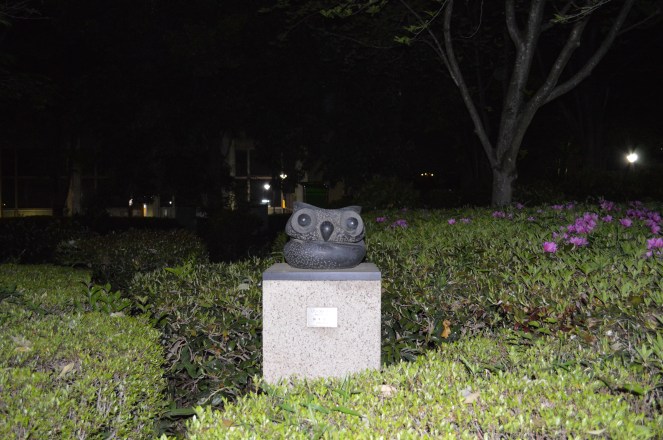
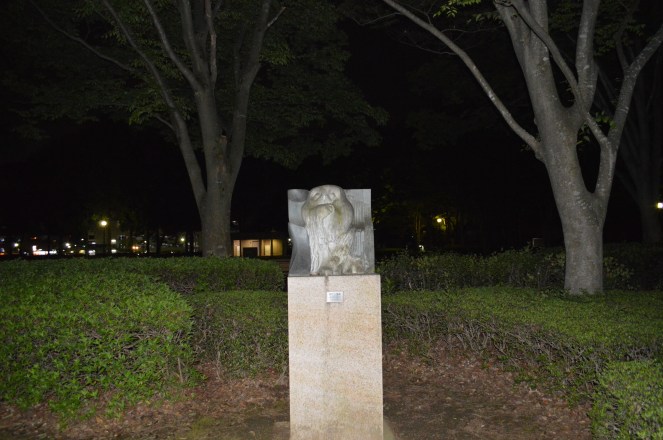
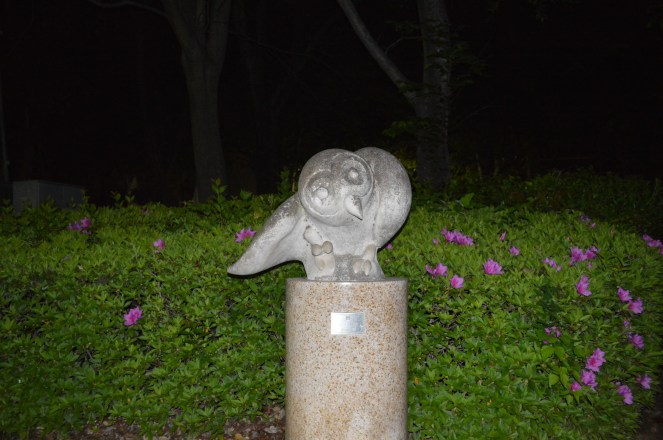
The owl (fukuro) is the official bird mascot of the city. You’ll find several owl sculptures placed in the Tsukuba central park (Chuo Koen), se below. It’s a bit similar to the owls which can be seen decorating the Ikebukuro station. (with the word play ike-fukuro).

Owls are often used as a lucky charm. The reason for this can be found in the Japanese name for OWL – FUKURO (フクロウ or 梟) – which can also be written with different KANJI CHARACTERS that give it a LUCKY significance. FUKURO can be written as 福来郎 (福: fuku, LUCK; 来: kuru, comes; 郎: ro, suffix for a boy’s name), meaning LUCK COMES, or as 不苦労 (不: fu, no; 苦労: kurou, hardship), meaning NO HARDSHIP OR SUFFERING.

This type of word play which can make the names of objects either auspicious, or inauspicious is called GORO AWASE (語呂合わせ), and in this way, owls have come to be one of the more popular motifs for ENGI MONO, or lucky charms.

DSC_0765

DSC_0760

DSC_0767

DSC_0775


Japan · Kamakura

Zeniarai Benten Shrine

Zeniarai Benten Shrine in Kamakura is unique as people come here to wash their money. Zeniarai means coin washing. It is said that money washed in the shrines spring, will double in value.

The founder of the Kamakura government, Minamoto Yoritomo, ordered the construction of the shrine after a god appeared in a dream and recommended him to build the shrine in order to bring peace to the country. As the dream occurred on the day of the snake in the month of the snake in the year of the snake, the shrine was later also dedicated to Benten, a buddhist goddess associated with snakes.

The Zeniarai Benten Shrine in a surviving example of the fusion between buddhism and shinto. Many of the other shrines were stripped of buddhist connections when the Meiji government attempted to emancipate and separate shinto from buddhism.

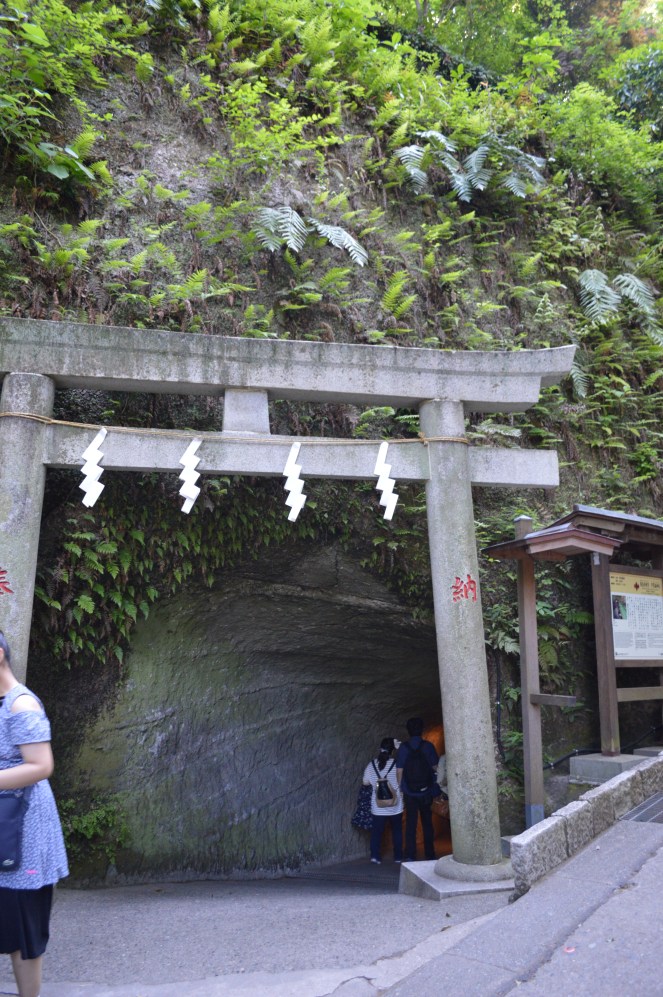
The entrance is through a tunnel, as seen below. The fun bit of this shrine is definitely trying to wash your money. And the various money laundry jokes you can make about it.

DSC_0908

DSC_0921

Japan · Kamakura

The Sasuke Inari Shrine

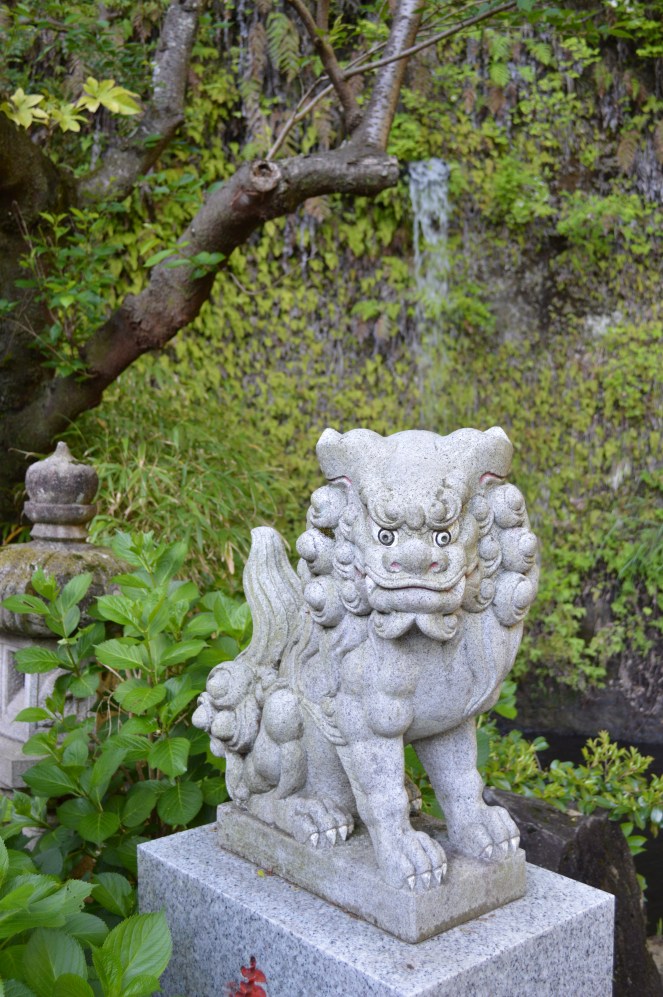
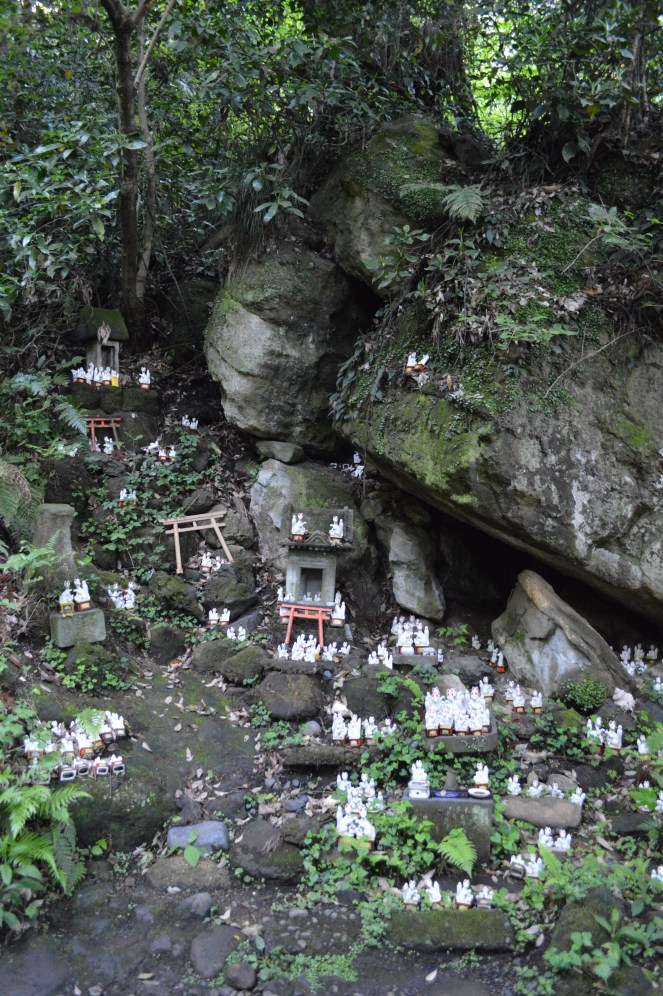
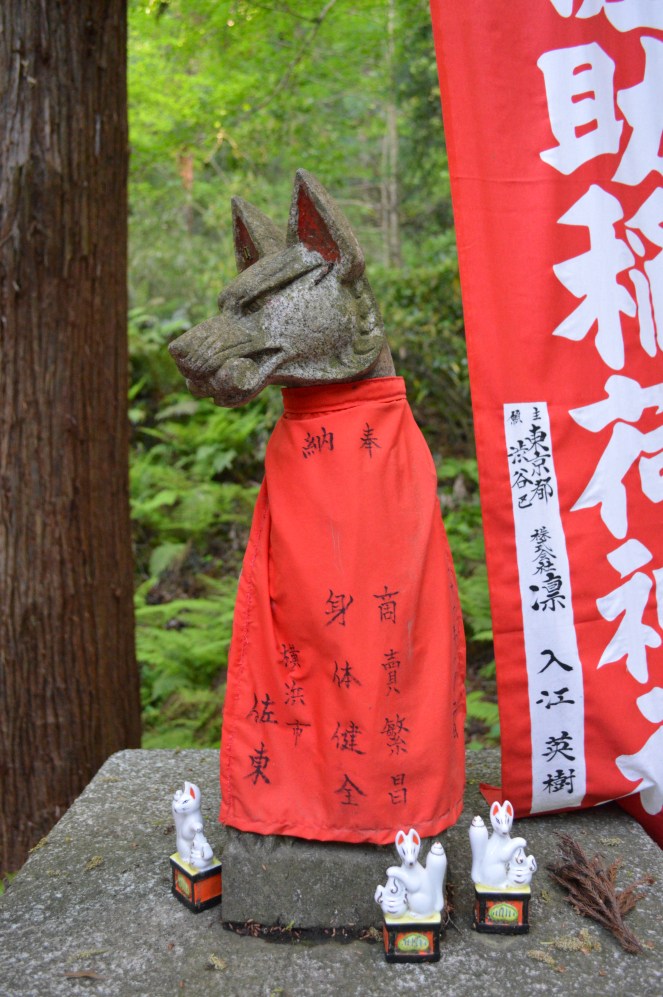
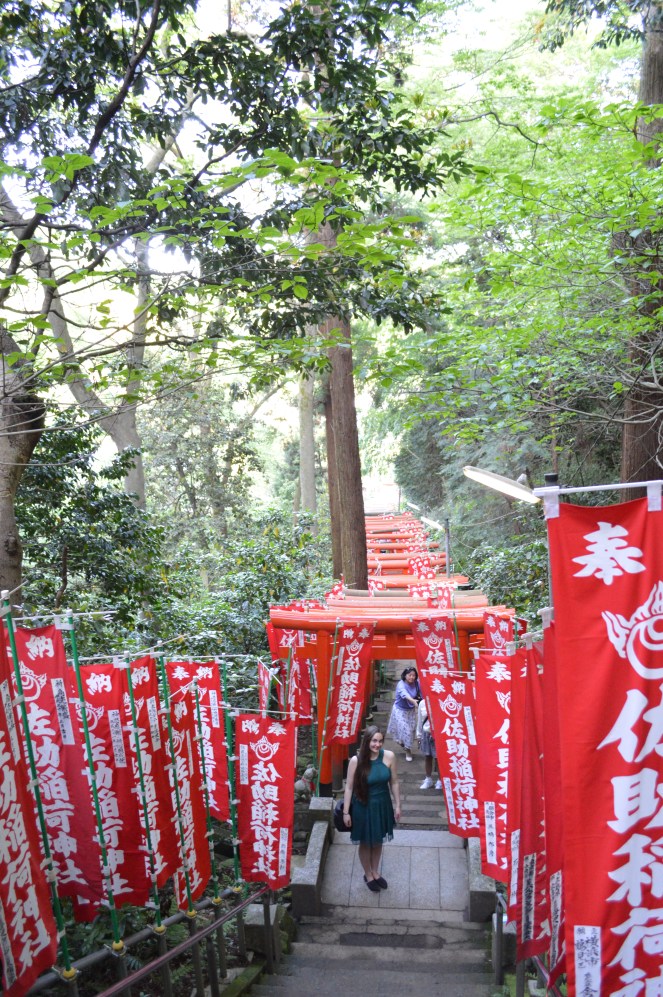
The Sasuke Inari Shrine is a Shinto shrine in Kamakura and the site of the hidden village of Kamakura. It is located near the Zeniarai Benzaiten Ugafuku Shrine. The story tells that the shrine was created by Minamoto no Yoritomo. While in exile in Izu, Yoritomo had a dream where he was visited by an old man from the hidden village of Kamakura. He instructed Yorimoto of the timing to begin battling his enemies. When Yoritomo succeeded and became shōgun, he created this shrine in gratitude. An alternative story tells that it was an Inari Fox messenger appearing in Yoritomos dream.

According to Kamakura Historian Shimizu Ginzō, the hidden village that was adjacent to the shrine was the dwelling of a band of people that were the antecedents to the Ninja. The remoteness and easy defensibility provided the necessary seclusion to conduct their activities which included elimination of enemies of the Kamakura shogunate.

It was crazy seeing all the foxes at this shrine. It definitely makes it a very unique experience.

dsc_0889.jpg

DSC_0899

DSC_0902

Japan · Kamakura

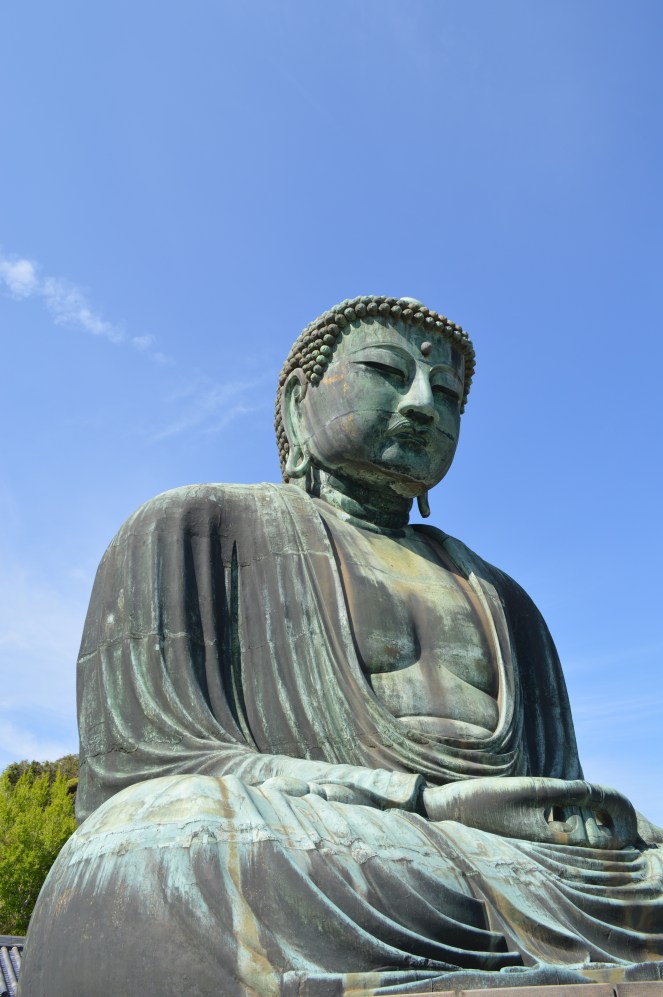
The great Buddha

The Great Buddha statue of Kamakura is a bronze statue of Amida Buddha. It stands on the grounds of the Kōtoku-in Temple. Its 13,35 meters tall, and with this the second tallest bronze Buddha statue in Japan. The statue was cast in 1252 and originally located inside a large temple hall. The temple buildings were destroyed multiple times by typhoons and a tsunami in the 14th and 15th centuries, so since the late 15th centry the Buddha has been standing in open air. The Buddha is a designated national treasure and one of the twenty-two historic sites included in Kamakuras proposal for inclusion in UNESCOs world heritage sites.

The fun bit about this Buddha, is that you can step inside it. We went to have a look inside, and was fascinated by this hollow statue with very hot “walls”.

DSC_0856

Japan · Tokyo

Robot show

The Robot show in Shinjuki was out of this world. We had read beforehand that it’s not so much robots, as it is just a crazy show. You know how someone can say a cat is so ugly that it is cute? This show is a bit like that. It is so ridiculous that it is hilarious. I would definitely recommend it.

Before the show started, we watched some sort of singing upstairs. It was very varied, and just as crazy as everything else. I dare say these people must have a great deal of fun putting together this show. Meanwhile watching the singing, I ordered a Matcha Martini, which might have been the best cocktail I’ve ever had. At least I loved the bright green colour. That being said, with all this craziness, I would probably have loved just about any drink.

PS. The Robot show is really called Robot restaurant. We were recommended not to eat there though, and just watch the show. Im glad we did. And as far as I could tell, noone was actually eating there.

DSC_0010.JPG

DSC_0012.JPG

DSC_0027

DSC_0030

DSC_0077

Japan · Tokyo

Ginza

Ginza is the highend shopping area of Tokyo, located in the Chuo district. It is considered one of the most expensive, luxurious and elegant streets of the world. Many leading fashion houses flagship stores are located here. It’s the area with the highest concentration of western shops in Tokyo.

We went to see Itoya, which is a 9 floor tall stationary shop. Each floor having a specific theme. I bought a new diary, which funnily is from march 2019 to march 2020.

Other than that, we mostly just looked around.


Japan · Kamakura

Kamakura

Kamakura is today a rather small coastal city with a high number of seasonal festivals and ancient buddhist and shinto shrines and temples. Although Kamakura is rather small today, it is often described in history books as a former de facto capital of Japan. It was the nations most populous settlement from 1200 to 1300 AD, as the seat of the shogunate and the regency during the kamakura period. (The period is known for the emergence of the samurai, the warrior caste, and for the establishment of feudalism in Japan).

We went to see the great buddha statue, the Sasuke Inari Shrine and the Zeniarai Benten Shrine (money washing shrine). We walked around a lot, and enjoyed seeing the houses and ways of life in Kamakura. It seems like a comfortable life, and I’m guessing a good one with all the tourist coming to leave their money there. I would definitely recommend visiting Kamakura.

Japan

Sky tree

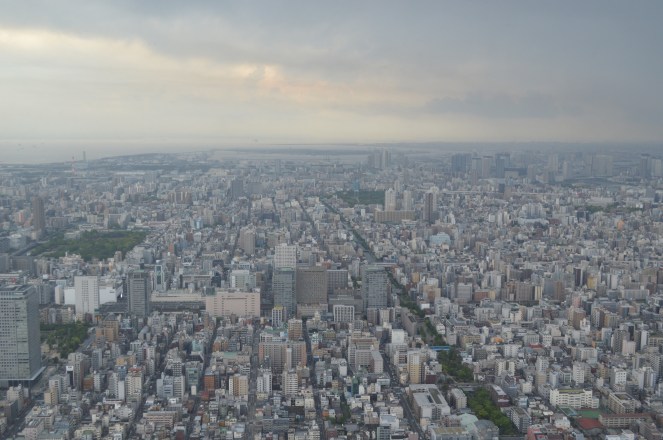
Amazing view over Tokyo from the Sky tree. You can see how some part of Tokyo has a grid structure, and other parts not. I think this picture is so fascinating as you can see so clearly where the grid ends, and the chaos begins 😝

I’d recommend paying extra for the international touring fast track, as it is not a very high cost and it saves you a lot of time being lined up for entrance. Although I really enjoyed walking around and being able to see the various parts of town, my favourite bit was sitting down at the Sky tree cafe and just take in the view.

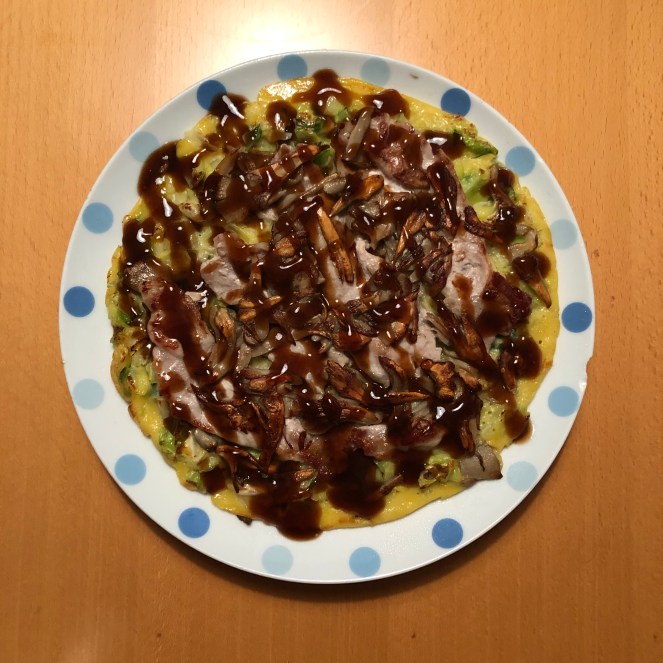
Coming home we made Okonomiyaki for dinner, having just popped by the supermarket. I’m starting to really enjoy the supermarket and their wide selection of interesting foods.

Japan · Tokyo

Owls of Ikebukuro

Ikebukuro is a commercial district in Tokyo. The Ikebukuro station handles over a million passengers a day, which makes it the second busiest railway station surpassed only by Shinjuku station.

Locals of Ikebukuro likes to toy with the alternative meaning of the similar word fukurou which means owl. Because of this, you’ll find owl statues and items all around the place.

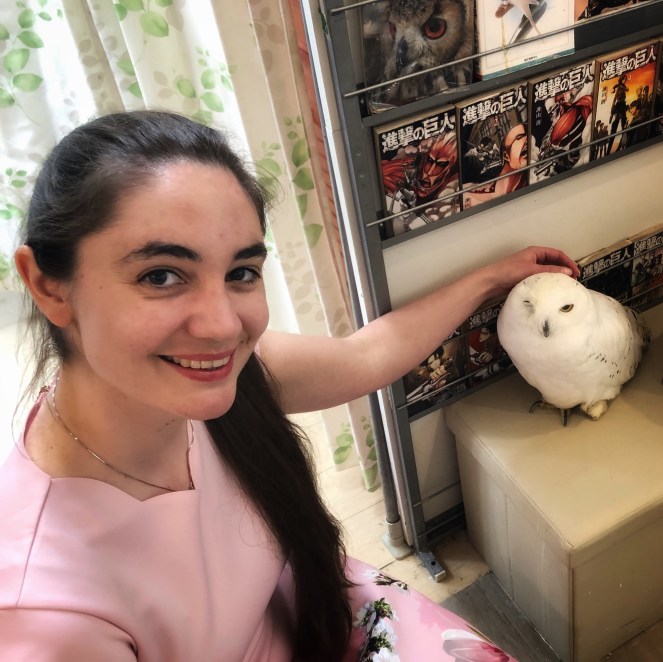
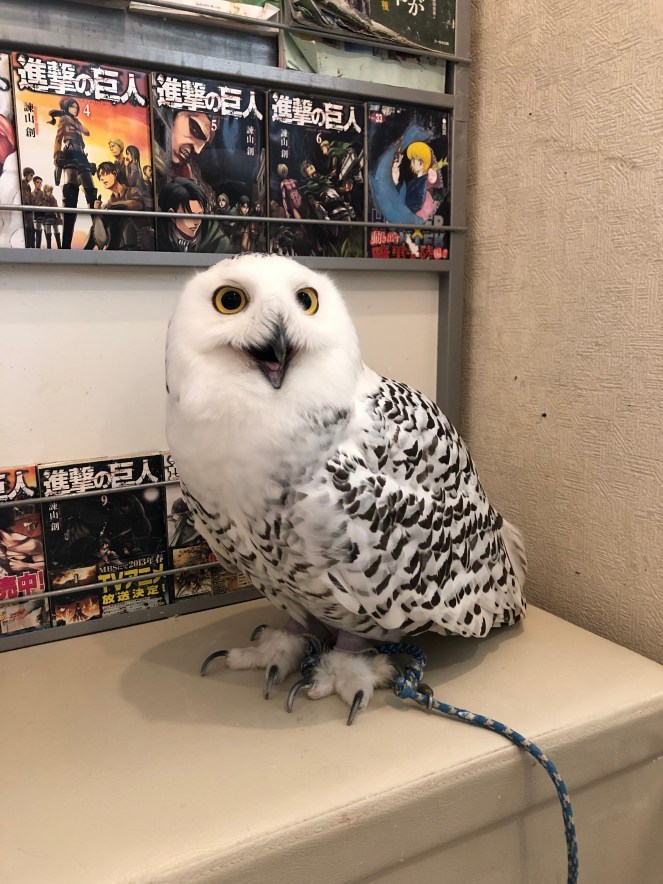
I met this little guy, and quite enjoyed being so close to an owl. Im not sure the owls like being petted though.