Japan · Kamakura

Zeniarai Benten Shrine

Zeniarai Benten Shrine in Kamakura is unique as people come here to wash their money. Zeniarai means coin washing. It is said that money washed in the shrines spring, will double in value.

The founder of the Kamakura government, Minamoto Yoritomo, ordered the construction of the shrine after a god appeared in a dream and recommended him to build the shrine in order to bring peace to the country. As the dream occurred on the day of the snake in the month of the snake in the year of the snake, the shrine was later also dedicated to Benten, a buddhist goddess associated with snakes.

The Zeniarai Benten Shrine in a surviving example of the fusion between buddhism and shinto. Many of the other shrines were stripped of buddhist connections when the Meiji government attempted to emancipate and separate shinto from buddhism.

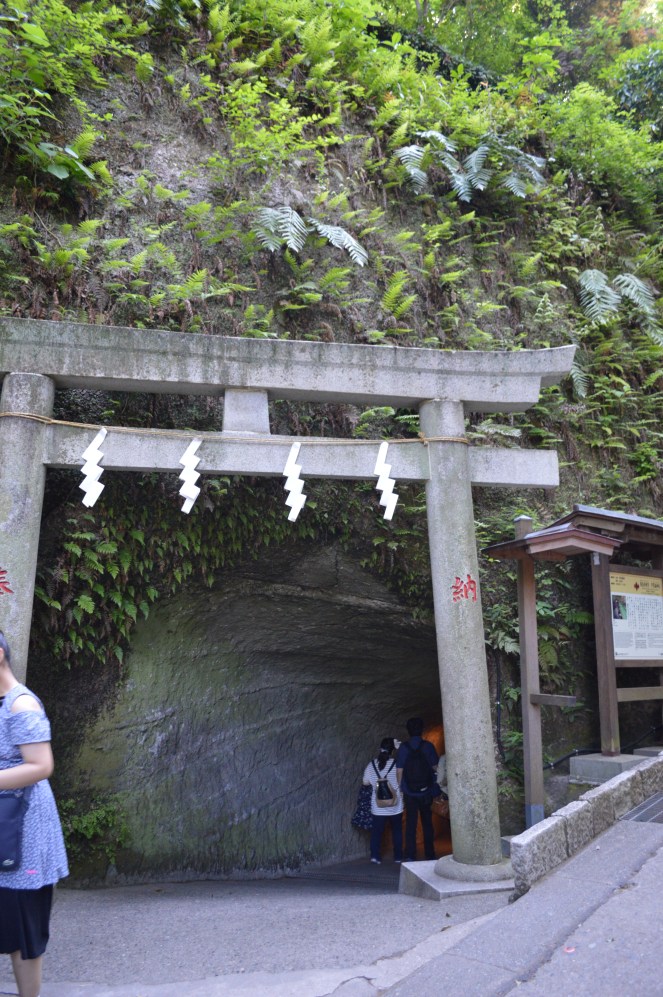
The entrance is through a tunnel, as seen below. The fun bit of this shrine is definitely trying to wash your money. And the various money laundry jokes you can make about it.
DSC_0908

DSC_0921

Japan · Kamakura

The Sasuke Inari Shrine

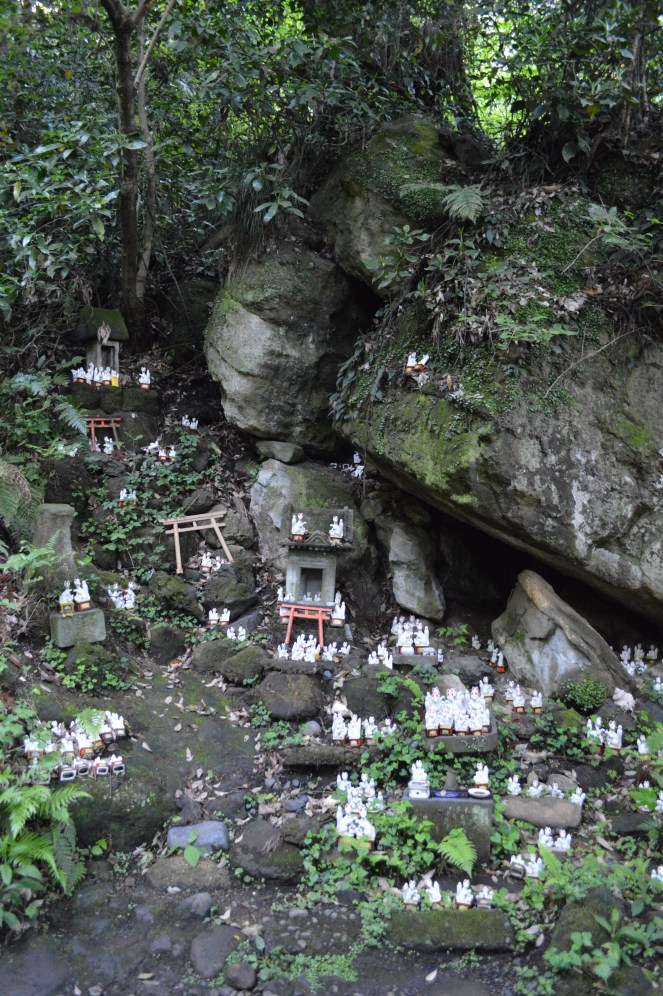
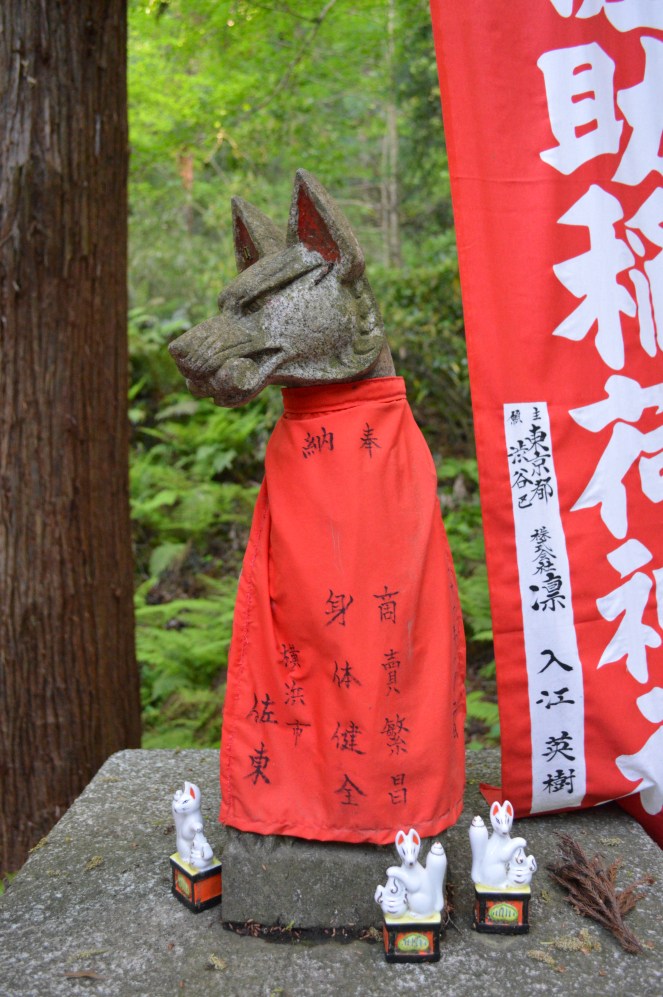
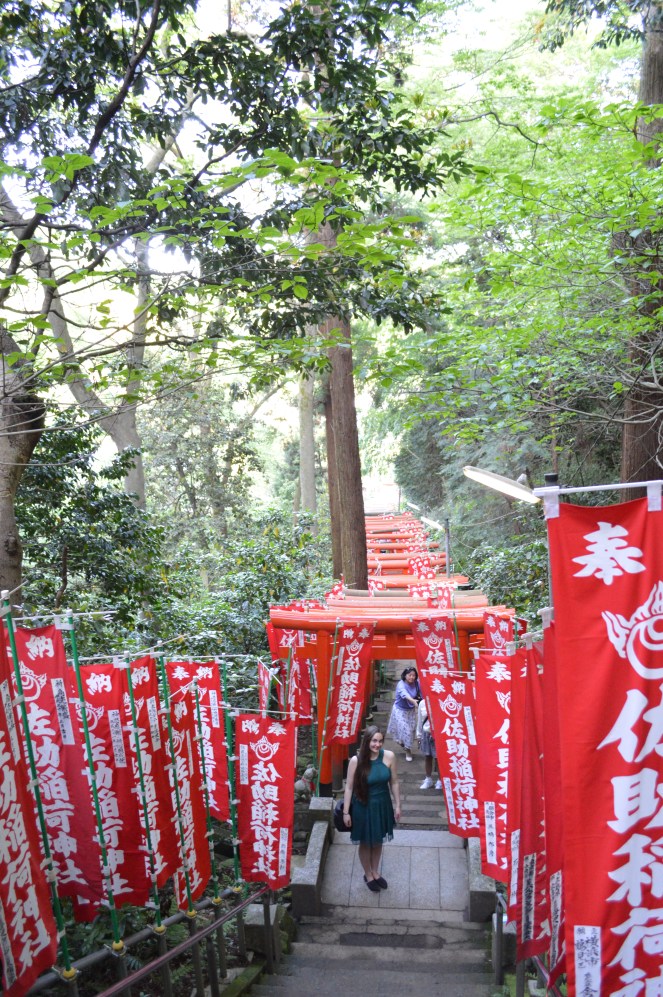
The Sasuke Inari Shrine is a Shinto shrine in Kamakura and the site of the hidden village of Kamakura. It is located near the Zeniarai Benzaiten Ugafuku Shrine. The story tells that the shrine was created by Minamoto no Yoritomo. While in exile in Izu, Yoritomo had a dream where he was visited by an old man from the hidden village of Kamakura. He instructed Yorimoto of the timing to begin battling his enemies. When Yoritomo succeeded and became shōgun, he created this shrine in gratitude. An alternative story tells that it was an Inari Fox messenger appearing in Yoritomos dream.

According to Kamakura Historian Shimizu Ginzō, the hidden village that was adjacent to the shrine was the dwelling of a band of people that were the antecedents to the Ninja. The remoteness and easy defensibility provided the necessary seclusion to conduct their activities which included elimination of enemies of the Kamakura shogunate.

It was crazy seeing all the foxes at this shrine. It definitely makes it a very unique experience.

dsc_0889.jpg

DSC_0899

DSC_0902

Japan · Kamakura

The great Buddha

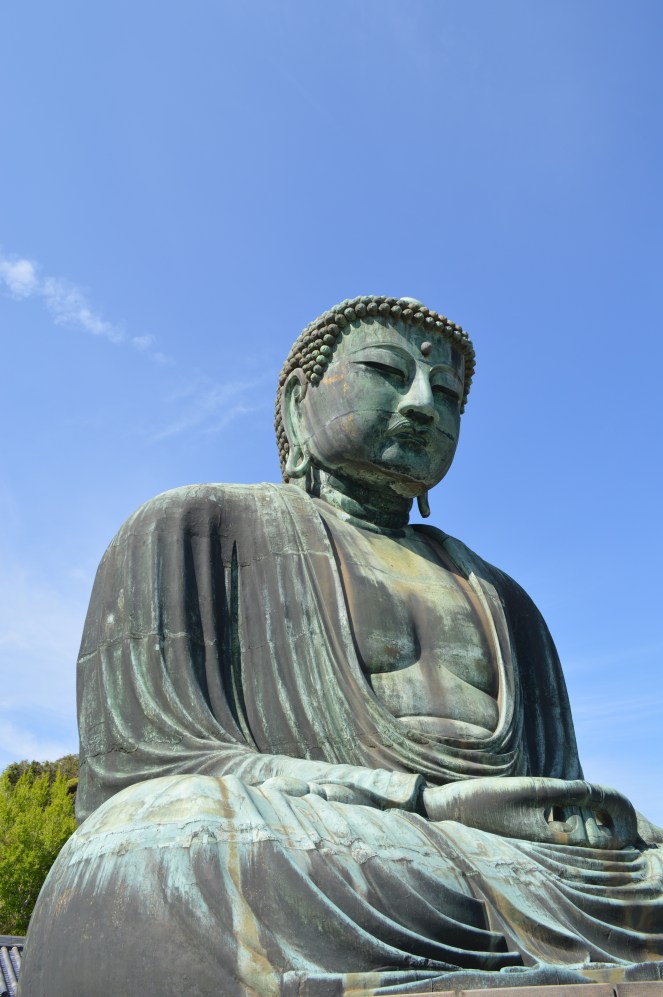
The Great Buddha statue of Kamakura is a bronze statue of Amida Buddha. It stands on the grounds of the Kōtoku-in Temple. Its 13,35 meters tall, and with this the second tallest bronze Buddha statue in Japan. The statue was cast in 1252 and originally located inside a large temple hall. The temple buildings were destroyed multiple times by typhoons and a tsunami in the 14th and 15th centuries, so since the late 15th centry the Buddha has been standing in open air. The Buddha is a designated national treasure and one of the twenty-two historic sites included in Kamakuras proposal for inclusion in UNESCOs world heritage sites.

The fun bit about this Buddha, is that you can step inside it. We went to have a look inside, and was fascinated by this hollow statue with very hot “walls”.

DSC_0856

Japan · Kamakura

Kamakura

Kamakura is today a rather small coastal city with a high number of seasonal festivals and ancient buddhist and shinto shrines and temples. Although Kamakura is rather small today, it is often described in history books as a former de facto capital of Japan. It was the nations most populous settlement from 1200 to 1300 AD, as the seat of the shogunate and the regency during the kamakura period. (The period is known for the emergence of the samurai, the warrior caste, and for the establishment of feudalism in Japan).

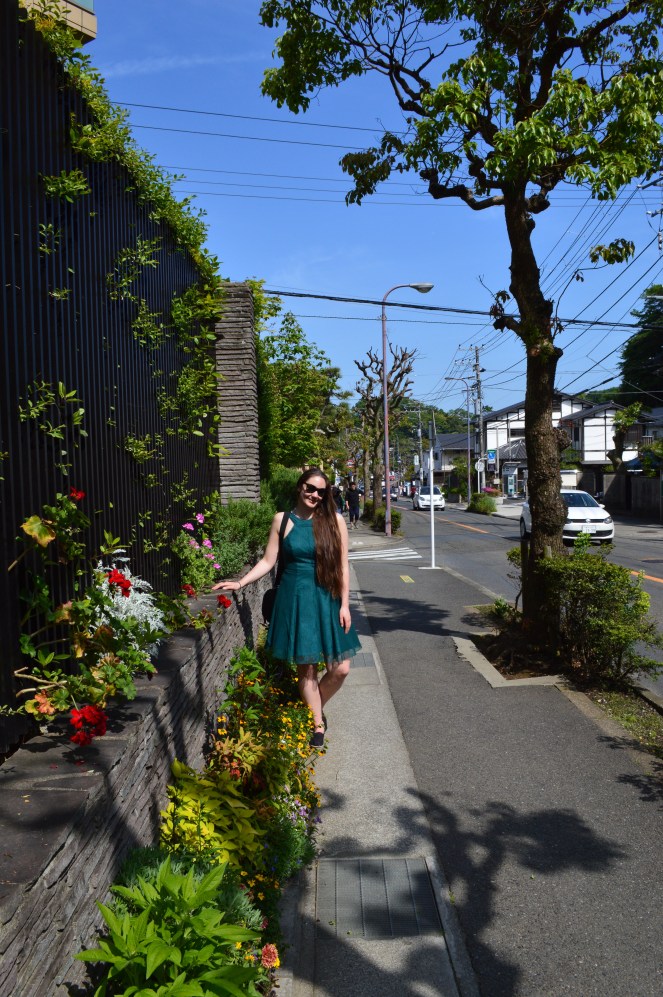
We went to see the great buddha statue, the Sasuke Inari Shrine and the Zeniarai Benten Shrine (money washing shrine). We walked around a lot, and enjoyed seeing the houses and ways of life in Kamakura. It seems like a comfortable life, and I’m guessing a good one with all the tourist coming to leave their money there. I would definitely recommend visiting Kamakura.